

Estimated reading time: 7 minutes
There’s a moment in every founder’s journey when you’re tempted to lower your price. A competitor undercuts you. A customer hesitates. Your growth slows. The easiest move seems obvious: just make it cheaper.
NOOE, the Danish minimalist lifestyle brand, faced that fork in the road too. They walked the other way.
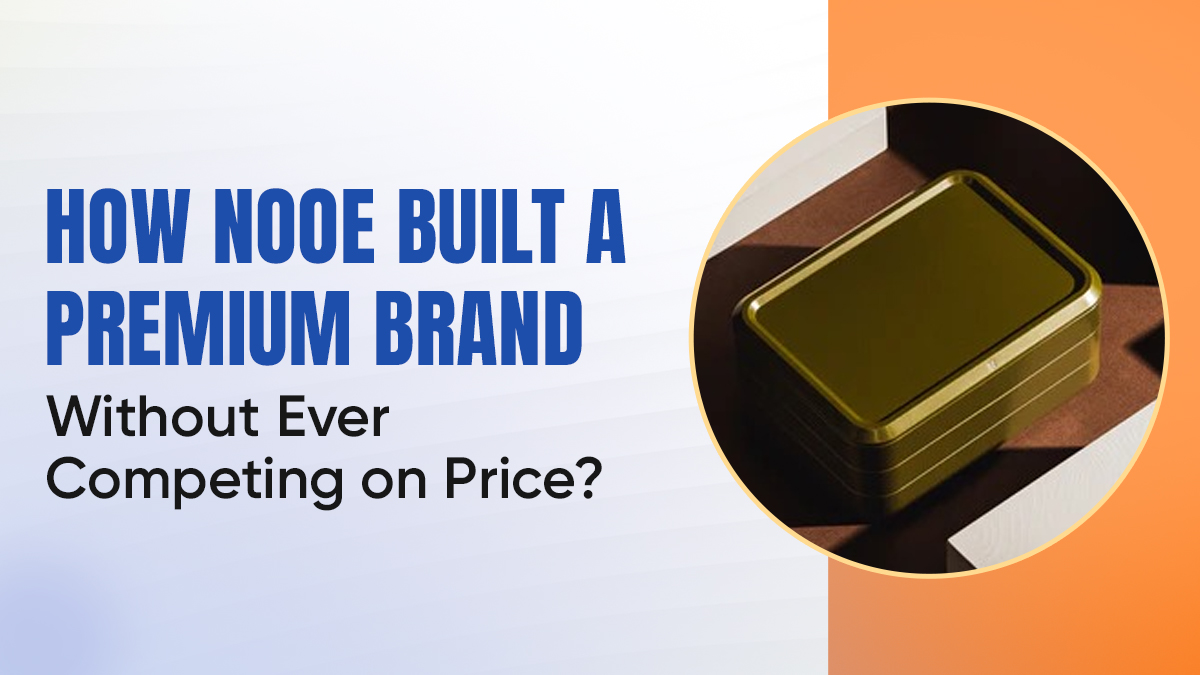
Instead of chasing the bottom, they created something you don’t see much anymore: a premium brand that customers actively choose to spend more on. And here’s the thing: it wasn’t slick advertising or limited drops that made the difference. It was the fact that when you picked up one of their water bottles or desk accessories, you could feel someone had cared about getting it right. Every angle, every material, every tiny decision added up. NOOE showed that if you genuinely believe in what you’re making, the price tag becomes almost beside the point.
For founders trying to figure out how to create real value when everyone else is racing toward discounts, NOOE’s path offers something concrete. Not just a feel-good story, but an actual map you can follow.
The Foundation: Material Honesty Over Marketing Hype
Most brands tell you they’re premium. NOOE shows you.
The concept they built around (material honesty) is deceptively simple. Every product uses materials that don’t pretend to be something else. Stainless steel looks like stainless steel. Glass is transparent. Silicone feels exactly like what it is. No fake wood grain. No plastic masquerading as metal. No theater.
This might sound small. In the luxury market, it’s actually revolutionary. While other brands layered on complexity (adding features nobody asked for, using cheaper materials dressed up with coatings), NOOE stripped everything back to what mattered.
Their minimalist design wasn’t trend-chasing. It was truth-telling. And consumers in the premium segment they targeted could feel the difference the moment they picked something up.
The lesson? A brand isn’t what you say in an Instagram caption. It’s what people experience when they interact with what you’ve built.
Design Aesthetics That Do the Heavy Lifting
Walk into a modern apartment in Copenhagen, Berlin, or Tokyo, and you’ll likely spot a NOOE product sitting quietly somewhere. Not demanding attention. Just existing with purpose.
This is intentional. NOOE’s design follows a principle most brands overlook: good design should enhance your life without needing center stage. Their products work so seamlessly into daily routines that you almost forget they’re designed at all, until a visitor picks one up and asks where you got it.
The brand understood something about how people live now. We’re not just buying objects anymore; we’re curating environments. Building spaces that reflect who we are. A water bottle isn’t about hydration alone. It’s a statement about values, taste, the kind of life you want to live.
By obsessing over clean lines, perfect proportions, and that intangible feeling of “rightness” when you use something, NOOE turned everyday items into objects worth displaying. Worth mentioning. Worth paying for.
As brand strategist Marty Neumeier put it: “A brand is a person’s gut feeling about a product, service, or organization.” NOOE understood that gut feeling starts the second you see something, and continues every time you use it.
The Growth Strategy: Patience Over Panic
Here’s where NOOE’s story gets interesting for founders trying to scale.
In an era of hockey-stick growth charts and blitzscaling manifestos, NOOE took a different path. Their growth strategy wasn’t built on viral moments or aggressive performance marketing. It was built on being undeniably good.
They started in Denmark. Perfected their product line and brand identity in a market that appreciates quality and has zero tolerance for pretense. They took their time there. Got the products right, built genuine relationships with early customers, learned what actually mattered in how people used what they made. Only then, after all that groundwork, did they start thinking about other markets.
The way they approached expansion was almost old-fashioned. No shortcuts to hit arbitrary growth targets. No watering down what made them special just to appeal to more people. They entered new markets when it made sense, brought the same standards with them, and trusted that the right customers would recognize what they’d built.
When they did invest in marketing, it looked different too. No countdown timers. No “limited time only” pressure tactics. Instead, they focused on telling the real story: showing how things were made, why certain materials were chosen, what went into the design process. The customers this attracted weren’t bargain hunters. They were people who got it.
What NOOE figured out (and what’s worth sitting with for a minute) is that building something premium means you can’t be in a hurry. Solid foundations take longer to lay than flimsy ones. You’ll say no more than you say yes. And you have to trust that doing things right eventually matters more than doing them fast.
What Premium Actually Means?
NOOE redefined premium for a new generation.
It’s not about being expensive for its own sake. Not about exclusivity or making people feel bad for not affording you. The luxury market today (at least the part worth caring about) wants something deeper. Authenticity. Sustainability. Products that respect both the user and the planet.
Every choice NOOE made reinforced this. Durable materials that last decades, not months. Timeless design that won’t look dated next season. Production processes they could stand behind. Packaging that didn’t create waste just to create an “unboxing experience.”
This alignment between values and execution separates actual premium brands from companies just charging premium prices. Consumers can tell the difference. Especially the conscious segment NOOE attracts.
They proved you can build a brand people aspire to own without making anyone feel excluded. The aspiration comes from quality and values, not barriers.
The Blueprint for Founders
So what can you actually take from this?
Start with substance. Before worrying about your Instagram aesthetic or marketing funnel, ask: Is what I’m building actually better? Does it deserve to be premium? Material honesty applies beyond physical products. It applies to your service, your software, everything you offer.
Design with intention. Every detail sends a signal. Your minimalist design should communicate clarity of purpose, not just follow what’s trending. Make choices that align with your values, even when nobody’s watching.
Build before you scale. Perfect your product and consumer experience in a controlled environment before chasing global expansion. NOOE’s patient approach meant they never outran their ability to deliver quality.
Attract, don’t convince. The right consumers will find you if you’re truly exceptional. Your marketing should showcase what makes you different, not convince people to compromise.
Never compete on price. The moment you enter a price war, you’ve lost what made you special. Build your growth strategy on increasing value, not decreasing cost.
Your Turn to Build Something Lasting
Standing in a crowded market with a product that costs more than the competition takes nerve. There will be days when you wonder if anyone still pays for quality. Whether your design philosophy is too particular. Whether you should just make things easier and cheaper.
NOOE proves there are still people who care. People tired of disposable everything. People who want to surround themselves with things made with thought and care.
Your tribe is out there, searching for exactly what you’re building.
The global reach will come. Market expansion will happen. But only if you refuse to compromise on what makes you different.
Create your premium brand around what’s true: the materials you choose, how you design, the story you tell, what you actually value. Pour enough honesty and craft into what you make that conversations move past price and into what you represent.
Here’s what people actually buy: belief systems. They choose brands that mirror something about who they are right now or who they’re trying to become. Products are just the vessel.
So the real question isn’t about competing on price at all. It’s about whether you believe enough in what you’re building to stick with it when the easier path is right there.
Now go make something that matters.
