

Estimated reading time: 5 minutes
There’s a version of this story where Dharampal Gulati hires a Bollywood star, runs a few polished ads, and MDH becomes just another spice brand people pick up without thinking. That’s not what happened.
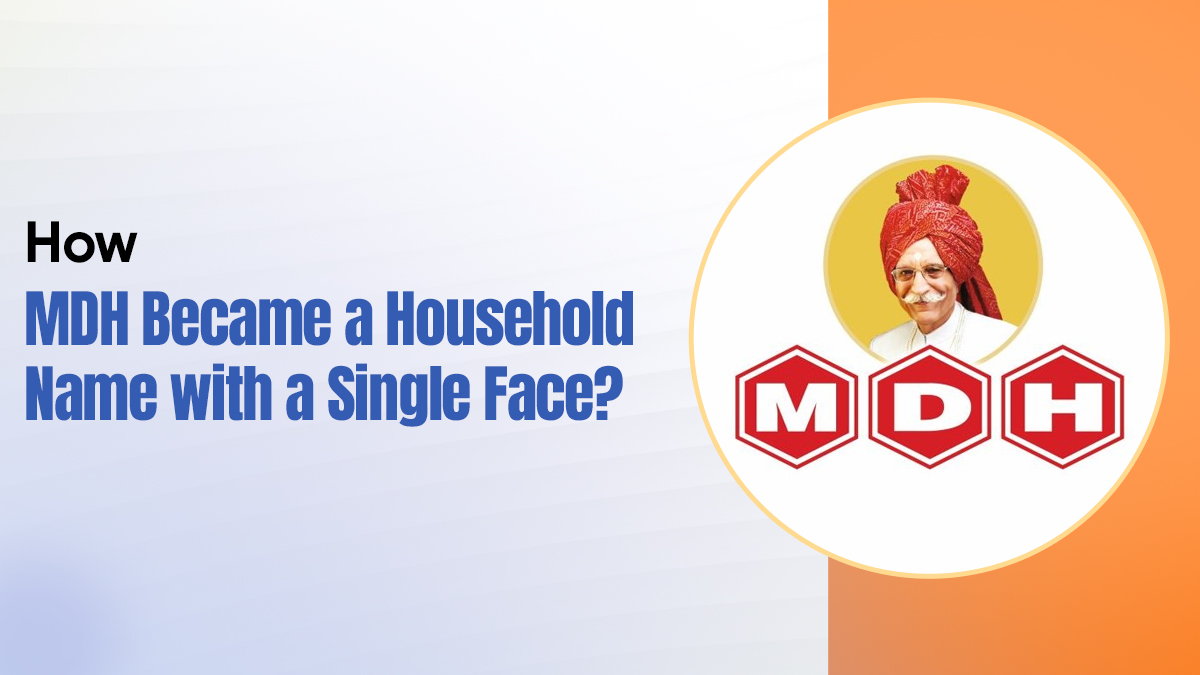
In 1984, while every other consumer brand in India was scrambling for celebrity endorsements, a 60-year-old spice seller from Delhi stepped in front of the camera himself. White beard, turban, no script that felt like a script. Just a man who knew his masalas and wasn’t pretending otherwise.
It looked unconventional. It worked extraordinarily well.
How Did MDH Begin?
The roots go back to 1919, when Gulati’s father set up a small spice shop in Sialkot. For decades, the business ran on straightforward principles: good quality, honest ingredients, fair prices. Nothing flashy. When Partition forced the family to relocate to Delhi, Gulati rebuilt from scratch, selling spices from a tonga before eventually establishing what would become MDH.
By the time television arrived in Indian homes, Gulati had already spent years understanding one thing about his customers. Indian families didn’t just want good spices. They wanted to know who was behind them. Trust mattered more than advertising budgets.
What Made the MDH Jingle Stick?
Before the TV ads, before Gulati’s face became familiar in every kitchen, there was a radio jingle. MDH introduced it in 1955, “Asli Masale Sach Sach, MDH MDH,” sung in a style that felt traditional rather than manufactured. It wasn’t trying to be catchy. It just was.
Three generations later, most Indians who grew up with MDH can still hear it clearly. That’s not a small thing.
Why Did Gulati Become the Face of the Brand?
He didn’t perform in those advertisements. That’s the simplest way to put it.
Where other brands carefully coached their spokespersons to hit certain emotional notes, Gulati just appeared as himself. The turban, the glasses, the pearl necklace, the mustache. None of it was a costume or a branding decision. It was simply how he looked, and viewers could tell the difference.
There’s something about a grandfather figure who genuinely seems to care about what goes into your food that no hired celebrity can replicate. Gulati wasn’t selling spices. He was vouching for them personally, and people believed him.
How Did MDH Grow Beyond the Ads?
The face and the jingle drew people in. The product kept them.
Under Gulati’s leadership, MDH expanded to over 100 spice blends, built a distribution network reaching more than half a million retail outlets, and eventually exported to over 100 countries. The growth was real and sustained, not just the result of good marketing.
Pricing stayed accessible throughout. Gulati was deliberate about this. A brand built on trust with everyday Indian families couldn’t price itself out of everyday Indian kitchens.
How Did MDH Handle the Digital Shift?
When e-commerce started reshaping how Indians bought groceries, MDH moved onto platforms like Amazon India without losing what made it recognisable. Customers browsing through dozens of spice options would see the familiar face on the packaging and reach for it out of habit, or perhaps out of something closer to affection.
That kind of brand loyalty isn’t bought. It’s built slowly, over decades.
Why Did the Strategy Actually Work?
MDH’s advertisements were never slick. They didn’t need to be. They felt like something a relative might say to you about what to cook for dinner. Warm, direct, a little old-fashioned in the best way.
By 2017, Gulati had become one of India’s highest-paid FMCG CEOs. But the more significant achievement was harder to quantify: he had made millions of people feel like they personally knew the man whose face was on their spice packets.
What Did Dharampal Gulati Leave Behind?
When he passed away in December 2020 at 98, the response wasn’t just corporate tributes. Ordinary people across India grieved him the way you grieve someone familiar. Someone who had been present, quietly, at family dinners and wedding feasts and everyday weeknight meals for as long as they could remember.
That’s an unusual kind of legacy for a businessman to leave.
The Bigger Lesson
Influencer culture would have you believe that reach is everything. That the right celebrity pairing, the right platform, the right moment can build a brand overnight.
Gulati’s story suggests otherwise. He built something that lasted not because he was famous, but because he was consistent and genuine over a very long period of time. The authenticity wasn’t a marketing strategy. It was just who he was, and the marketing reflected that.
Sometimes that’s enough. Sometimes that’s everything.
Step-by-Step Breakdown
MDH’s success came from combining quality products, a memorable jingle introduced in 1955, affordable pricing, wide retail distribution, and Dharampal Gulati’s authentic personal presence. Rather than outsourcing trust to celebrities, the brand put the actual founder front and centre, and consumers responded to that honesty across generations.
Conclusion
MDH is proof that glamour and trust are not the same thing, and that consumers, given the choice, often prefer the latter. Gulati put a real person at the Centre of the brand and kept him there, consistently, for decades. The result was something most marketing budgets can’t buy: a place in people’s homes that felt genuinely earned.
FAQ
Q1. Who was the face of MDH?
Ans1. Dharampal Gulati, the founder and chairman, appeared in MDH’s advertisements for decades and became inseparable from the brand itself.
Ques2. What does MDH stand for?
Ans2. Mahashian Di Hatti.
Ques3. Why did MDH’s marketing work so well?
Ans3. It leaned on authenticity and consistency rather than celebrity endorsements, which built genuine trust over time.
Ques4. What was MDH’s famous jingle? “
Ans4. Asli Masale Sach Sach, MDH MDH,” first introduced on radio in 1955.
Ques5. When did Dharampal Gulati pass away?
Ans5. In December 2020, at the age of 98.
