

Estimated reading time: 6 minutes
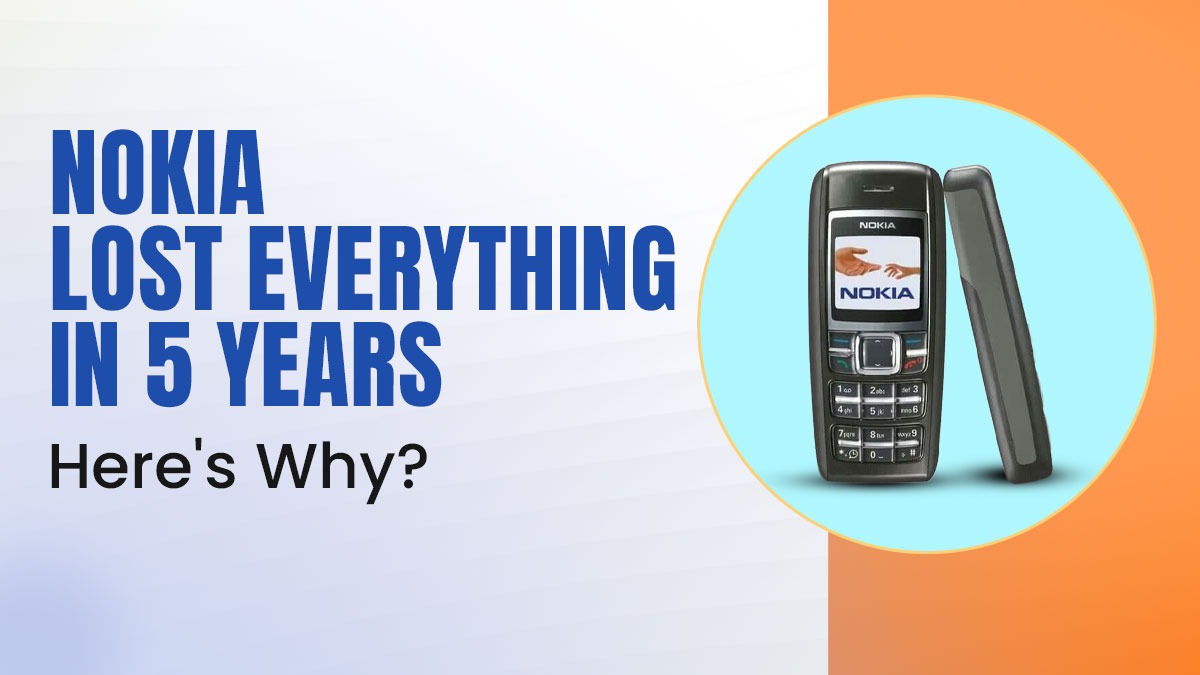
Nokia used to be untouchable. In 2007, they owned 40% of the entire mobile phone industry. Their brand identity was so strong that “Nokia” and “mobile phone” meant basically the same thing in most people’s minds.
Then, in what felt like a blink, they vanished from relevance.
When Being Number One Becomes the Biggest Risk
Nokia dominated the mobile industry like few brands ever have. Their phones were everywhere. People trusted Nokia more than they trusted most people.
But that success created a dangerous blindness.
While Nokia celebrated their dominance, Apple released the iPhone in 2007. Most executives at Nokia laughed it off. Too expensive. No physical keyboard. Touchscreen technology seemed like a gimmick for rich people, not something mass markets wanted. Their strategic decisions at this moment-decisions to stick with what was working-sealed their fate.
Steve Jobs famously said, “Innovation distinguishes between a leader and a follower.” Nokia forgot they needed to keep leading.
The Operating System That Killed a Giant
Behind every Nokia phone was Symbian-their outdated operating system that once seemed perfectly fine. Functional. Reliable. Got the job done. But once people experienced iOS and Android, going back to Symbian felt like returning to the Stone Age.
Here’s where strategic management fell apart completely. Instead of admitting the problem and pivoting fast, Nokia tried patching Symbian. They invested billions trying to modernise something fundamentally broken. Meanwhile, the smartphone revolution was leaving them behind in real-time.
When Strategic Partnerships Backfire Spectacularly
By 2011, Nokia finally admitted defeat on Symbian. But instead of adopting the obvious choice that Samsung rode to massive success, they made a strategic partnership with Microsoft to use Windows Phone.
On paper? Made sense. Microsoft had money and resources and wanted to compete in mobile. Two struggling giants teaming up to fight Apple and Google.
In reality? Disaster.
Windows Phone had less than 3% market share. Developers weren’t building apps for it. Consumers didn’t want it. Nokia tied itself to a sinking ship while pretending it could steer it somewhere useful. This strategic decision-choosing exclusivity with Microsoft over the flexibility of Android-might be the single worst business move in technology industry history.
Samsung, using Android, skyrocketed. Nokia, using Windows Phone, collapsed. By 2013, Microsoft bought Nokia’s phone division for $7.2 billion. Two years later, they wrote off nearly the entire purchase as a loss.
Missing the Obvious While Chasing the Complex
Nokia actually had incredible innovation and design capabilities. Their leading research teams were developing amazing stuff-wireless charging, high-quality cameras, and innovative technologies that would become standard years later.
But they kept putting these innovations into phones nobody wanted to buy because the core experience sucked.
Nokia treated phones like hardware products. Apple treated iPhones like ecosystems. And it was the game’s losing point.
When Brand Identity Becomes a Prison
Nokia’s brand identity as “the reliable, tough phone” actually worked against them during the smartphone revolution. Their entire branding strategy was built on durability and battery life-things that suddenly mattered less to consumers than touchscreen technology and app selection.
Changing brand identity is incredibly hard, especially when the old identity still has massive global recognition. But clinging to an outdated identity while market trends shift underneath? That’s fatal.
BlackBerry faced the same trap. Their brand meant “serious business phones with keyboards.” When the market wanted touchscreens, their brand identity became a liability instead of an asset. Both companies confused legacy reputation with current relevance.
The mobile phone industry doesn’t reward past performance. It rewards meeting current consumer expectations better than anyone else, right now.
What Founders Can Actually Learn From This
Nokia’s fall teaches lessons that matter way beyond the mobile phone industry:
- Market leadership isn’t permanent protection. Being number one today means nothing tomorrow if consumer expectations shift and the response is slow. Dominance creates complacency-fight that feeling constantly.
- Past success can be better than failure. When things are working, questioning them feels unnecessary. But market trends don’t care about current success. They care about what’s coming next.
- Strategic partnerships need alignment, not just resources. Nokia and Microsoft both had money and talent. But they didn’t have compatible visions or execution speed. Partnership without strategic fit is just two struggling swimmers tied together.
- Innovation without ecosystem thinking fails. Individual features don’t matter anymore. The complete experience-hardware, software, services, and apps, need to work together seamlessly. Piecemeal innovation misses the point.
- Brand identity must evolve or die. What made a brand strong five years ago might make it irrelevant today. The willingness to reimagine brand identity while keeping core values? That’s the balance few companies nail.
- Speed beats perfection in fast markets. Better to launch something good and iterate than to perfect something that arrives too late. The technology industry especially rewards fast learning over slow perfection.
The Brutal Truth About Staying Relevant
Nokia went from untouchable market leadership to a cautionary tale in less than a decade. Not because they were stupid or lazy. But because they confused current dominance with permanent relevance.
- Markets don’t care about history, and user don’t prefer brands that stop meeting their needs.
- The smartphone revolution wasn’t subtle. Everyone could see it coming. Nokia just convinced itself it wouldn’t matter, then moved too slowly when they realised it did.
- For founders building something today, the lesson is uncomfortably clear: whatever’s working right now won’t work forever. Market trends will shift. Consumer expectations will evolve. Innovative technologies will disrupt everything.
- The question isn’t whether disruption is coming. It’s whether the response will be fast enough, bold enough and honest enough to survive it.
- Nokia had every advantage-money, talent, distribution, and brand recognition. They still lost because they hesitated when the market demanded speed and clung to the past when it demanded reinvention.
- That’s the real lesson. Success today doesn’t guarantee success tomorrow. Only the willingness to question everything, move quickly and evolve constantly gives any chance at lasting relevance.
- The mobile phone network keeps expanding. Technology keeps advancing. Consumer expectations keep rising. Standing still-even at the top-means falling behind.
Believers Destination helps founders learn from both the victories and disasters of major brands. Understanding why giants fall matters just as much as studying how winners rise. Avoiding Nokia’s mistakes might be just as valuable as copying Apple’s successes.
