Estimated reading time: 8 minutes
Staring at Nescafé and Starbucks, which ultimately feels like facing an unclimbable mountain. Market share? Locked down. Distribution networks? Everywhere. Capital? Endless. Breaking through seems like a fantasy.
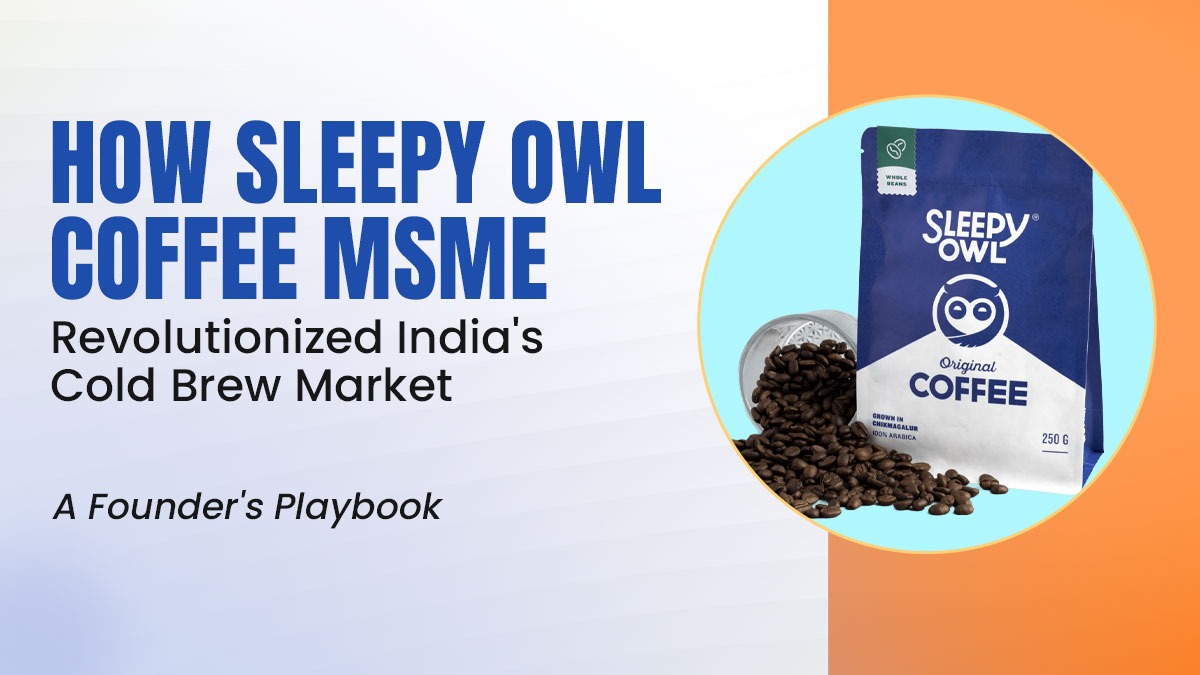
Yet Sleepy Owl Coffee-three friends from Delhi-didn’t just break through. They redrew the entire map of India’s cold brew scene. Back in 2016, cold brew was practically invisible in India. Fast-forward to today, and it’s become a staple for urban coffee lovers. No massive funding. No fancy connections. Just razor-sharp strategic execution and a willingness to see what others missed.
Their secret? Selling a lifestyle upgrade, not just another coffee product.
Finding Gold Where Giants See Nothing
Most startups make one fatal mistake: jumping into crowded markets hoping to win through sheer hustle. Sleepy Owl did the opposite. Their market research spotted something massive hiding in plain sight-young professionals wanted café-level coffee at home, but the barriers were ridiculous. Expensive machines? Check. Complicated techniques? Yep. Time nobody had? Absolutely.
The big brands missed this completely. They kept pushing instant coffee variations while a whole generation was ready for something different.
Sleepy Owl’s genius was understanding that “convenient premium” wasn’t an oxymoron-it was exactly what the market was screaming for. Urban millennials didn’t want to choose between quality and ease. They wanted both. Right now.
Real Talk for Founders: Competing in saturated spaces is a losing game. The winning move? Finding gaps that seem obvious once someone points them out. Sleepy Owl’s pre-packaged cold brew kits solved a problem most people didn’t even realize had a solution. No equipment. No learning curve. Just cold brew that actually tastes good.
That’s product development that changes behavior, not just adds another SKU to supermarket shelves.
Skipping Middlemen Changed Everything
Traditional retail would’ve killed Sleepy Owl before launch. Distribution costs, shelf space negotiations, razor-thin margins’s where food and beverage startups go to die. So they skipped it entirely at first.
Going direct to the consumer model wasn’t just smart financially. It became their secret weapon for brand building.
Here’s what made it powerful:
Instant Feedback Loops: Each order came with real data. Customers loved the packaging. Great, keep it. Found the brew too strong? Adjust the next batch. This kind of rapid product innovation is impossible when dealing with retail partners and their quarterly planning cycles.
Controlling the Narrative: Every single touchpoint mattered-how packages looked, how emails sounded, what unboxing felt like. The vibe stayed consistent: funny without trying too hard, approachable without dumbing things down, helpful without being preachy. That steady personality did more for community focus than throwing money at Facebook ads ever could.
Creating Superfans: Something interesting happened with the direct connection. Regular buyers didn’t just stick around-they actively pulled friends into the fold. No incentives needed. People genuinely excited about good coffee naturally share discoveries. That organic recruitment beat any referral program dreamed up in a boardroom.
Plus, selling branded accessories worked perfectly in this channel. Those mason jars and tote bags? Walking billboards that customers paid for and proudly carried everywhere.
The Strategy Here: Direct channels aren’t just about margins. They’re about building relationships that protect you when competitors show up. That loyalty becomes armour when expanding to e-commerce platforms, where price wars and algorithm changes can destroy brands overnight.
Building a Brand That Feels Like a Friend
Sleepy Owl’s branding deserves its own case study. Clean aesthetic. Witty copy. That impossibly charming owl mascot. Everything screamed personality while legacy brands droned on about bean origins and roasting temperatures.
The brand identity hit differently because it spoke the language of its audience-hustlers, dreamers, and late-night grinders. The owl wasn’t just cute; it symbolised burning the midnight oil without the stress and anxiety traditional coffee brands pushed.
Social media became conversations, not broadcasts. Packaging invited exploration instead of intimidating newcomers. Every detail reinforced one message: coffee doesn’t have to be complicated or pretentious.
Seth Godin nailed why this matters: “A brand is the set of expectations, memories, stories, and relationships that, taken together, account for a consumer’s decision to choose one product or service over another.”
Sleepy Owl wasn’t pushing Arabica percentages or single-origin stories. They sold more easily on Mondays. Fuel for finishing projects at 2 AM. Small rituals that made demanding days feel manageable.
This storytelling approach worked like wildfire. Here’s the thing: people don’t gossip about product specifications. They share things that resonate emotionally. Sleepy Owl gave them stories worth repeating, and the brand visibility grew without paid push.
Growing Smart, Not Just Fast
The cold brew kits got them noticed. Got them talking about. Got them those first passionate customers. But here’s reality-sticking with one product keeps you interesting to a small circle. The team grasped something that separates flashes-in-the-pan from lasting brands: zeroing in creates momentum; thoughtful expansion sustains it.
Once trust was built, and evangelists were spreading the word, strategic execution kicked into higher gear:
Hot Brew Bags: Same convenience philosophy, different format. Suddenly, traditional coffee drinkers could access the brand without trying cold brew first. A new customer acquisition channel opened with minimal risk.
RTD Bottles and Cans: Think about grabbing coffee at a gym vending machine or airport kiosk. That’s impulse territory. Sleepy Owl planted themselves exactly there, in places where their ideal customers existed but would never think to order coffee online. Physical retail presence shot their brand visibility up dramatically, reaching people who live offline for grocery shopping.
Premium Instant Coffee: Taking on Nescafé and Bru directly sounds gutsy. But here’s the advantage they’d built-people already trusted Sleepy Owl meant quality. So when they launched instant, it wasn’t “just another instant coffee.” It carried weight. It promised something better because the brand perception was already rock-solid.
Each format served as another door into the brand, but the core promise stayed consistent. Great coffee, ridiculously simple. That clarity let them expand across consumption occasions without confusing anyone about what they stood for.
Going from niche to mainstream while keeping authenticity intact? That’s the dream every scaling startup chases.
The Merch Move Everyone Overlooks
Here’s something worth noticing: while other brands fixated on stealing competitor market share, Sleepy Owl went deeper with people already buying from them. Those branded accessories-jars, bags, mugs-weren’t really merchandise in the traditional sense. They were relationship deepeners. Investments in connection.
Think about what happens when someone hauls a Sleepy Owl mason jar into their office. Three things unfold: they’re reminding themselves why they chose this brand, they’re sparking “hey, what’s that?” conversations with colleagues, and they’re recruiting potential customers without realising it.
This approach flips typical brand building upside down. Purchases stop being transactions and start feeling like joining something. Buying becomes a statement about taste, values, and priorities.
Plus, this matters for business strategy, generates income completely separate from coffee commodity pricing and supply chain chaos.
What This Actually Means for Building Something
Here’s what keeps most founders stuck: believing advantages come from resources. Sleepy Owl proved that advantages come from clarity.
Winning happens in customer minds, not bank accounts. Small, nimble operations can dominate categories by nailing two things: understanding exactly what gap exists in the market research, and maintaining a customer-centric approach that builds movements instead of customer databases.
Strategic implementation wins over capital repeatedly. Where product innovation landed in real intuition beats feature checklists every time. Brand visibility earned through authentic connection outlasts paid advertising infinitely.
Why Giants Keep Losing to Scrappy Startups
The playing field looks impossibly tilted. Giants appear unstoppable. Startup resources feel laughable by comparison.
But there’s a dirty secret: giants optimize for yesterday’s customers. They’re trapped in distribution agreements signed years ago. Their playbooks got written before smartphones existed. They’re slow, bureaucratic, and terrified of real risk-taking.
Startups? Lightning fast. Actually listening. Willing to bet everything on formats nobody’s tested yet.
Sleepy Owl didn’t reinvent coffee. They obsessively solved one problem-convenient consumption than anyone else, then told that story in ways that resonated deeply. The battlefield was chosen through serious market research. The foundation was built through direct-to-consumer relationships that prioritized connection over quick sales. Brand identity emerged that felt genuinely human, not corporate.
When expansion time arrived, execution was so sharp that established players are still trying to copy the playbook.
Time to Start Brewing
Winning doesn’t mean out-muscling competitors. It means out-thinking them. Out-listening them. Out-caring them.
Start by finding problems that actually need solving. The brand starts building product development which is around genuine insights, not assumptions. Weave stories into daily habits that customers have already performed. Grow an ethnic community through experiences that are worth talking about, not advertising worth ignoring.
Big brands don’t start big. They earn their way there through thousands of smart decisions executed consistently.
The cold brew revolution didn’t happen overnight. Neither will whatever gets built next. But while strictly focusing on solving real problems, or building authentic community, and executing with precision, helps to create something bigger than businesses.
It creates movements that claim market territory and defend it through meaning, not just money.
Giants showed dominance through capital. Sleepy Owl showed victory through connection.
The hard part starts now: brewing something people can’t imagine living without.
