
Estimated reading time: 5 minutes
Think about this for a second.
A 17-year-old Siddhartha Lal walks into his family garage and sees a shiny chrome-red Royal Enfield. At that moment, it was just a bike. He had no clue that years later, he’d be the one pulling it out of the grave and bringing it back to life.
By 2000, things were bad. The company, which had been around for over 120 years, was making barely 2,000 bikes a year in a factory meant for 6,000. The bikes felt outdated, technology was behind, and losses were piling up. Most people had already written off the brand.
But Lal didn’t.
From Death’s Door to Cultural Icon
The first thing Siddhartha Lal did when he became CEO wasn’t to copy what others were doing. He didn’t chase the flashy, fast bikes filled with plastic. Instead, he asked himself: What makes Royal Enfield special?
He came up with a simple plan, a strong business strategy planning blueprint built on three core beliefs:
- Your heritage is your strongest asset.
- Emotion matters more than speed.
- Doing one thing well is better than doing 15 things badly.
He sold off 13 other businesses and decided to focus only on bikes. One brand. One purpose.
He Rode, Broke Down, Fixed It, and Understood
Siddhartha Lal didn’t sit in an air-conditioned office telling others what to do. He took the bikes out on the road, up the Himalayas, across rough terrain. He experienced every breakdown, every oil leak, every frustrating moment—just like real riders did.
And that changed everything.
He used what he learned to improve the bikes. That’s when the new engine came—more reliable, less maintenance, and smoother to ride—but it still kept that signature “thump.”
Not Just Specs. Emotion. Identity. Brotherhood.
While other bike companies focused on power and speed, Royal Enfield concentrated on the feeling. Their ads didn’t show charts—they showed freedom, road trips, friends, and stories.
The bike wasn’t just for commuting. It became a symbol of who you are.
Turning Riders Into a Community: Riders’ Family
Enfield understood something powerful: people don’t just want a bike—they want to feel connected.
They created events such as Rider Mania, Himalayan Odyssey, and Motoverse. Riders met, shared experiences, and became a family. Clubs started in cities, weekend rides took off, and YouTube was filled with Enfield travel stories.
Today, over 10 million riders across the world are part of this tribe—and they promote the brand better than any ad agency ever could.
Vibe That Goes Beyond a Showroom: A Mindful Observation
One day, Siddhartha Lal noticed people weren’t just coming to see bikes—they were hanging around even after. That’s when the idea clicked.
Why not turn showrooms into places where riders could relax?
That’s how the “garage studio” concept was born—cool, vintage-inspired stores where you could sip coffee, check out custom tanks, and book a test ride. These weren’t just shops—they were spaces where the “experience over product” lifestyle became real.
Product Innovation with Heritage DNA
Enfield didn’t try to make the fastest or flashiest bikes. They stuck to what felt right—bikes that looked classic, rode well, and felt like a part of you.
Some of the best:
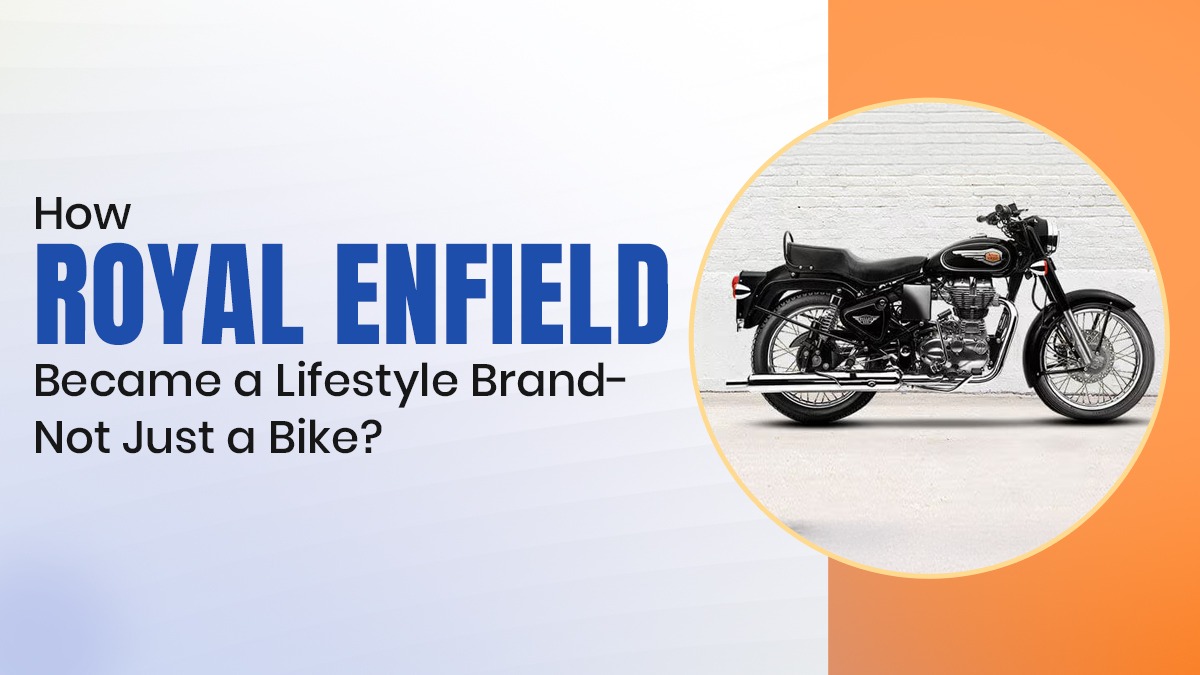
- Classic 350 and Meteor – easy to ride, great for daily use, and still turn heads.
- Interceptor 650 and Continental GT – retro café racers with twin engines.
- Himalayan – built for real adventures, from Leh to Lahaul.
They kept the old-school charm but made sure every ride was smoother, easier, and more reliable.
A Strong Global Brand Expansion Strategy
After India, Enfield went international. They opened stores in London, Madrid, Melbourne, and Bangkok. Western riders who loved the vintage style—but couldn’t afford expensive European brands—loved Enfield.
Exports crossed 100,000 bikes a year, proving that the brand’s “India roots, world wings” dream was working.
Using Tech Without Losing Soul
You might think a retro brand would avoid tech. Not Enfield.
- Their MotoCaptain bot gives you ride ideas based on weather, sends service reminders, and offers gear tips.
- Booking a service or a test ride? You can do it all online now.
- Their long-form YouTube videos, podcasts, and rider stories keep the community connected 24/7.
They’ve figured out how to use digital tools to strengthen human connections, not replace them.
Every Ride Has Bumps
Enfield’s journey wasn’t perfect:
- Demand exploded—from 50,000 bikes in 2010 to 840,000 in 2024. That pushed their factories hard.
- Making bikes safer while keeping the vintage design was a challenge.
- Winning over Gen Z while staying true to old fans wasn’t easy either.
But every problem taught them something new. Listening to customers and staying flexible helped them stay ahead.
What You Can Learn from Enfield’s Story
No matter what you’re building—bikes, a brand, or even a blog—there are real lessons here:
- Passion matters. Lal loved riding. That love spread through the company and the riders.
- Focus wins. Dropping distractions gave Enfield room to grow properly.
- Build a community. A group of loyal fans will always beat a big marketing budget.
- Your history is your strength. Don’t run from it—own it.
- Feelings over features. People forget specs. They remember how you made them feel.
So What’s Next?
Enfield is already working on electric bikes, planning routes in Latin America, and continuing to expand. But the promise remains the same:
Freedom. Adventure. Brotherhood.
“We don’t just make motorcycles; we enable stories that last a lifetime.” – Siddhartha Lal
A company that almost died is now a global lifestyle brand. Because it focused on what truly matters—riders, stories, and the soul of the machine. Royal Enfield isn’t a bike. It’s the journey about people & the vibe.
And that unmistakable thump that says: this is not just a bike. This is me.
