

Estimated reading time: 6 minutes
Back in the 1960s, an Italian guy named Felice Bisleri was looking at regular water and thinking it could be something bigger. His crazy idea? Clean it up, bottle it, and somehow convince people to pay for something they got free from taps.
Sounds nuts when you think about it. However, sometimes the most unusual business ideas end up being successful.
The ’90s Water Market Was a Complete Mess
Fast forward to India in the 1990s. Bottled water was basically a joke.
Maybe three or four brands existed, but most people thought you’d lost your mind if you paid for water. “The tap works fine, thanks,” was pretty much everyone’s attitude.
The companies trying to sell bottled water were making sketchy stuff nobody trusted. People looked at these bottles thinking, “This is probably just tap water someone filled up in their kitchen.”
Bisleri saw this chaos and figured they could do way better.
Their Plan Was Actually Pretty Simple
Instead of trying to be super cheap or compete with free tap water, Bisleri asked itself, “What would actually make people buy our water?”
Three basic things became their whole strategy:
- Make the water so clean that people can’t ignore it
- Get people to trust the brand first, worry about money later
- Just focus on water – don’t try making sodas or whatever
Nothing fancy. Just common sense that apparently nobody else was using.
They Actually Got What People Were Worried About
Most companies would’ve done a bunch of market research and customer surveys.
Bisleri figured out something way more important: people were scared of getting sick from bad water. That was the real problem.
So they went completely overboard on cleaning their water. Multiple purification steps, added minerals so it didn’t taste weird, quality checks that were probably stricter than necessary.
That green label everyone knows? And that cap you have to break to open? Those weren’t just marketing gimmicks. They were saying, “Look, this water is so clean, nobody can mess with it once we seal it.”
Feelings Beat Technical Stuff Every Time
Other companies were probably thinking, “Water is water. Make it cheap and sell lots.”
Bisleri did something different. Their ads showed families relaxing because they knew their kids were drinking safe water. Travellersare not stressing about getting stomach bugs. Parents feel good about their choices.
The message wasn’t about purification technology. It was about not having to worry anymore.
Building Something Bigger Than Just Selling Water
Bisleri realised early that people want to feel connected to brands that actually mean something.
They started doing campaigns like “Bottles for Change” – recycling stuff and environmental programmes. Customers weren’t just buying water anymore. They felt like they were part of something that mattered.
Community cleanups, school programmes, and environmental awareness. All that turned regular customers into people who actually promoted the brand because they believed in it.
Now, millions of people don’t just drink Bisleri, they actively tell others about it because they genuinely care about what the company does.
Being Everywhere That Mattered
Here’s what Bisleri figured out: their advantage wasn’t fancy stores or premium locations. It was being literally everywhere with the same quality.
Train stations, airports, tiny roadside shops, five-star hotels – same green bottle, same promise everywhere.
That became their biggest strength. People learned they could trust Bisleri no matter where they found it.
Products That Actually Made Sense
Bisleri didn’t get complicated with their lineup. They just made sure they had the right size for different situations:
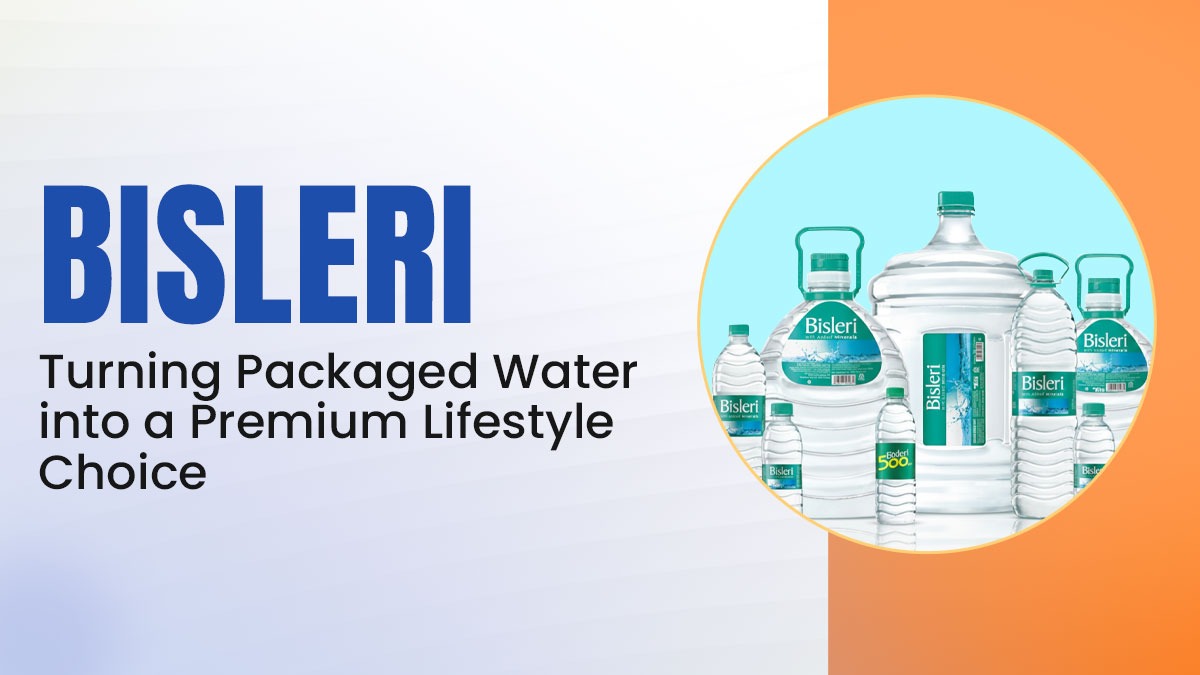
Small 250ml bottles for kids and quick drinks. 500ml for people travelling. 1L and 2L for families at home. Big 20L containers for offices.
Same quality, different sizes. Simpl,e but it worked.
Taking It International
After owning the Indian market, Bisleri started expanding to other countries. London, Madrid, Melbourne, Bangkok – places where people wanted quality but didn’t want to pay crazy prices.
They’re exporting over 100,000 bottles a year now. The whole “Indian quality, global reach” thing is actually working.
Using Tech Without Getting Weird About It
Instead of avoiding technology, Bisleri embraced it in ways that actually helped customers.
QR codes on bottles tell you exactly where your water came from. Need those big 20L containers delivered? Order online. Digital campaigns keep their community engaged. They use tech to make things better for customers, not replace actual human service.
The Tough Parts Nobody Talks About
Bisleri’s growth wasn’t smooth sailing.
Demand exploded from 50,000 bottles in 2010 to 840,000 in 2024. Their factories were constantly scrambling. Making bottles safer while keeping the design people recognised was tricky. Getting younger customers without losing older loyal ones required a careful balance.
But every problem taught them something useful. Being flexible and actually listening to customers helped them stay ahead.
What Anyone Can Learn Here?
Whether someone’s selling water, building apps, or starting any business, Bisleri’s story has some solid lessons:
Actually caring about your product spreads through your whole company and to customers. You know that getting really good at one thing is perfectly beats being okay at so many things. But building real connections with people matters the most, which is more than expensive ads. Your company’s history can be your biggest advantage. People forget technical details but remember how you made them feel.
What’s Next for Them?
Bisleri isn’t stopping. They’re working on eco-friendly packaging for people who care about that stuff. Planning expansion into Latin America, too.
Their main promise stays the same, though: Purity. Trust. Health.
Like their vision says: “We don’t just make bottled water; we enable stories that last a lifetime.”
The Real Success Story
A company that started with one simple idea – selling actually clean water – became a brand millions of Indians completely trust.
They didn’t win by being the cheapest or having the flashiest marketing. They won by solving a real problem (unsafe drinking water) and building genuine trust over decades.
Bisleri isn’t just water anymore. You know it’s that feeling when you grab a bottle and you know that you don’t need to worry about getting sick anymore. Because when you see that green label and feel confident about it, then this is what you’re drinking.
Bisleri finally built that trust, which took decades of consistent quality. It shows that every time someone picks Bisleri over cheaper options.
This isn’t just about bottled water. It proves that quality and trust beat low prices and fancy marketing every single time.
