

Estimated reading time: 11 minutes
Think about this for a second. An 18-year-old with spirit, a rebellious vision, and a small hat shop in Paris. No business plans. No investor deck. No idea that her name would one day become synonymous with an entire way of life.
Most brands burn out. Chanel built a flame that never dies.
But how does that actually happen? How does a small hat shop survive world wars, economic collapses, and a century of shifting taste and still feel more relevant today than most brands launched last year?
That’s the question worth sitting with.
Chanel’s Four-Pillar Legacy Framework
Pillar | What It Involved | Evidence |
1. Heritage as the Foundation | Three core beliefs held without compromise: heritage is an asset, emotion beats a fad, luxury lives in details not price tags | Coco stripped away the unnecessary, created clean lines, and built an identity about liberation that still holds today |
2. Product Born from Understanding | She wore the clothes. Used the bags. Built from lived experience, not a boardroom brief | The tweed suit came from one real need: move freely, look elegant. That’s it |
3. Turning Customers Into a Tribe | She didn’t build a customer base. She built a world people wanted to belong to | Limited editions, real community events, real stories. People promote Chanel because they feel part of it, not because anyone asked |
4. Experience Over Transaction | Boutiques reimagined as luxury experience studios: fashion shows, perfume history, the soul of the brand made tangible | Customers who came in to browse stayed because the space itself told a story worth being inside |
What Core Beliefs Did Coco Chanel Build Her Brand On?
The first thing Coco Chanel did wasn’t follow the trends of her day.
She didn’t add more corsets. More frills. More of what everyone else was doing. She asked a simpler and much harder question: what do women truly want?
Three beliefs came out of that question, and every single thing Chanel has done in the century since traces back to them.
Your heritage is your strongest asset, not a constraint to escape. Emotion matters more than a fad, because fads end and emotion doesn’t. And true luxury lives in the details, not just the price tag.
She stripped away the unnecessary. Focused on clean lines. Built an identity around liberation and confidence at a time when neither word was commonly associated with women’s fashion.
One brand. One purpose. No dilution.
- She rejected the ornamentation that defined luxury at the time and made simplicity feel more elevated than excess
- She built a visual language so distinct that a single interlocked C still communicates everything without a word
- She understood that the most powerful brand position isn’t the loudest. It’s the most certain
For founders: the brands that last don’t try to be everything to everyone. They get very clear about what they believe, and they hold it without apology for as long as it takes for the world to catch up.
How Did Coco Chanel Design Products That Still Feel Right a Hundred Years Later?
Coco Chanel didn’t sit in a fancy salon telling others what to do.
She wore the clothes. She used the handbags. She experienced every stitch, every fabric choice, and every moment of a design coming to life as a real woman would. And that changed everything about what she built.
The tweed suit didn’t come from a trend report. It came from genuine understanding of what women actually needed: comfort, elegance, and the freedom to move without a garment fighting against them. Practical. Comfortable. Easier to move in. But still carrying that signature blend of masculinity and feminine grace that became Chanel’s handwriting.
That’s the difference between designing for customers and designing as one.
- Every product decision was rooted in lived experience, not market research
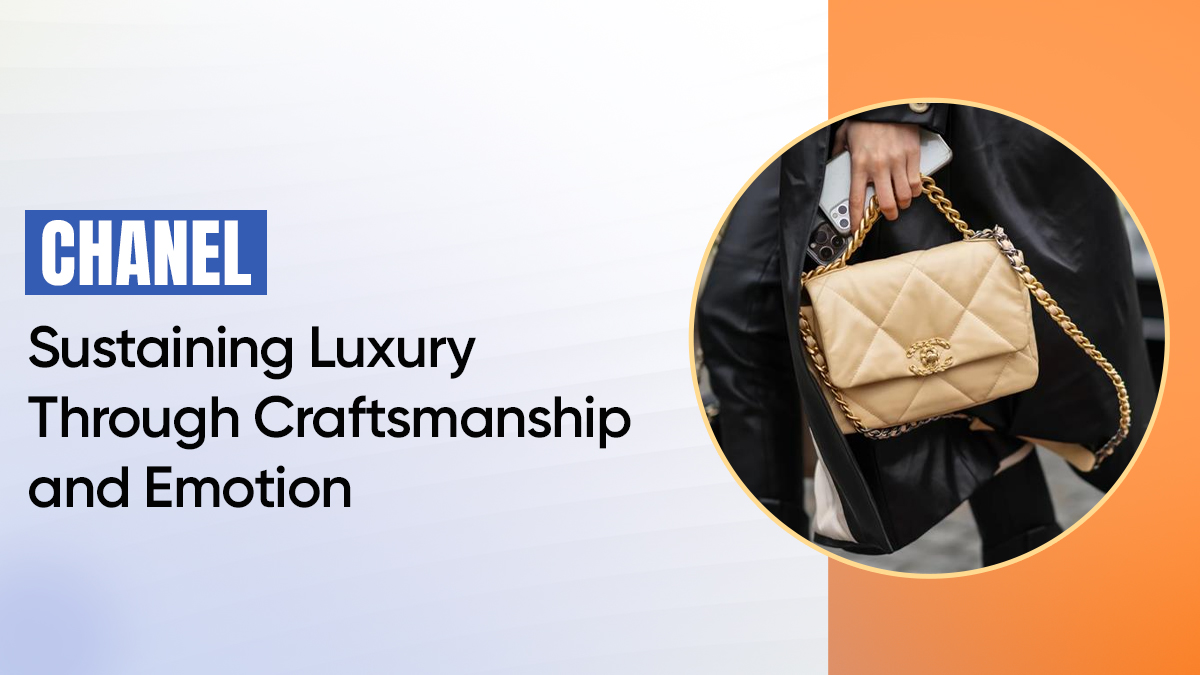
- The 2.55 handbag with its chain strap came from one observation: women needed their hands free
- Chanel No. 5 broke every convention of what a luxury fragrance was supposed to smell like and became the best-selling perfume in history
For founders: the most dangerous distance in any product business is the gap between the person building it and the person using it. Coco closed that gap completely. That’s why her products still feel right a hundred years later.
How Did Chanel Turn Customers Into a Loyal Community That Markets the Brand Itself?
While other luxury brands talked about opulence and extravagance, Chanel focused on something quieter and more powerful.
Feeling.
Their campaigns never led with products. They showed freedom. Independence. Women who defied norms. The bag wasn’t the point. The bag was a symbol of who you are and what you believe about yourself.
That shift from product to identity is where ordinary brands end and cultural institutions begin.
- Limited editions created scarcity that felt meaningful, not manufactured
- Community events in cities around the world turned buyers into a tribe with shared language and values
- Instagram filled with real Chanel stories told by real people, not polished agency productions
And something happened that can’t be manufactured with a media budget. People started promoting Chanel to other people not because they were incentivised to but because being part of the Chanel world felt like something worth sharing.
That’s the whole game. Not reach. Belonging.
For founders: ask yourself honestly, does your brand give people something to belong to or just something to buy? The answer to that question determines whether you’re building a customer base or a tribe. Only one of those survives a competitor with lower prices.
How Did Chanel Transform Its Boutiques Into Experiences People Actually Want to Be Inside?
Someone at Chanel noticed something interesting.
Customers weren’t just coming in to browse products. They were staying. Lingering. Hanging around even after they’d seen everything. And that observation unlocked something.
What if the boutique wasn’t a shop? What if it was a space where someone could step fully into the world the brand had spent a century building?
That’s how the luxury experience studio concept was born. Sleek, minimalist stores where you could watch a fashion show, explore the history of a fragrance, feel the construction of a garment. Not retail environments. Immersive spaces where the experience over product philosophy became completely real.
- Private viewings and consultations could be booked online, removing every friction point from the most personal part of the experience
- Long form YouTube content, podcasts, and brand documentaries kept the community connected between physical visits
- AI powered virtual try-ons brought the experience into people’s homes without making it feel cold or transactional
They figured out how to use digital tools to strengthen human connection rather than replace it. That balance is harder than it sounds. Most heritage brands either resist technology entirely or adopt it in ways that strip out everything that made them worth caring about. Chanel found the middle path.
For founders: your physical or digital space is a brand statement whether you intend it to be or not. Chanel made it intentional. Every touchpoint, every surface, every interaction was designed to make someone feel something specific. That’s not interior design. That’s brand strategy made tangible.
Chanel vs. The Typical Luxury Brand Playbook
Dimension | Chanel’s Approach | Typical Luxury Brand | Long-Term Outcome |
Trend response | Never chased what was fashionable. Asked what women actually want | Followed whatever aesthetic was dominant that decade | Timeless vs. dated |
Product development | Built from living it, not studying it | Built from briefs, boards, and competitor decks | Feels right vs. tests well |
Marketing | Led with feeling. The product came second | Led with price signals and exclusivity | Cultural icon vs. status symbol |
Community | Built a world people wanted to belong to | Loyalty points and VIP tiers | Belonging vs. reward |
Technology | Used it to bring people closer, not replace the human touch | Either avoided it or adopted it badly | Still relevant vs. left behind |
Key Takeaways
- Coco Chanel didn’t follow the trends of her day. She asked one question: what do women truly want? Everything Chanel built for the next hundred years came from that question
- The tweed suit, the 2.55 handbag, Chanel No. 5: none of these were chasing what was fashionable. They were all expressions of one consistent belief about what luxury actually means
- Chanel’s campaigns never led with products. They led with feeling: freedom, independence, women who defied norms. The bag became a symbol of identity, not a status purchase
- Boutiques were turned into experience studios where customers could explore perfume history, watch fashion shows, and feel the soul of the brand. Not shops. Spaces
- They adopted AI powered virtual try-ons and digital tools without losing the thing that makes Chanel, Chanel. That balance is harder than it sounds and most heritage brands get it wrong
- The lesson that travels across every industry: people forget specs. They remember how you made them feel. Chanel built an entire empire on that single truth
Summary
An 18-year-old with a hat shop and a rebellious vision.
No one in that moment could have seen what was coming. Not the tweed suit. Not the interlocked C that would become one of the most recognised symbols on earth. Not the fragrance that would still be selling a hundred years later. Not the handbag that women would save for and pass down through generations.
What Coco Chanel built wasn’t a fashion brand. It was a belief system. About what luxury actually means. About what women actually deserve. About the difference between following taste and defining it.
That belief is what survived the world wars. The economic collapses. The decades where Chanel was considered old-fashioned and the decades where it came roaring back. The belief never changed because it was never a trend. It was a truth someone cared about enough to build a century on.
The lesson isn’t about fashion. It’s about what happens when you get completely honest about what you stand for and hold it without apology for long enough that the world stops questioning it and starts building their identity around it.
Chanel isn’t a brand people buy.
It’s a brand people become.
Note: This is a pattern analysis drawn from studying Chanel’s brand evolution across more than a century. Insights referenced from publicly available brand history, campaign documentation, and industry reporting.
FAQ
Ques1: How did Chanel build something that lasted a hundred years when most fashion brands disappear?
Ans1: By caring more about belief than trend. Coco Chanel built three core convictions in a small Paris hat shop and held them without compromise through world wars, economic collapses, and a century of shifting taste. The brands that last aren’t the ones that adapt to everything. They’re the ones that know what they’ll never change.
Ques2: What made Chanel No. 5 and the 2.55 handbag soenduring?
Ans2: They solved real problems rooted in genuine understanding. The chain strap on the 2.55 came from one observation: women needed their hands free. Chanel No. 5 broke every convention of what a luxury fragrance was supposed to be. Neither was designed to be iconic. They became iconic because they were deeply, honestly right.
Ques3: How did Chanel turn customers into a communitywithout itfeeling manufactured?
Ans3: By giving people something real to belong to. Limited editions that felt meaningful. Events where people with shared values gathered. A visual and emotional language so distinct that recognising it felt like recognising your own tribe. You can’t engineer that with a campaign. You build it over decades by being consistently, undeniably yourself.
Ques4: How did Chanel adopt technology without losing what makes it Chanel?
Ans4: Verycarefully and very intentionally. AI powered virtual try-ons, online booking for private viewings, digital content: all of it was adopted in service of deepening human connection, not replacing it. The test they seemed to apply was simple. Does this make the experience more Chanel or less? If less, it didn’t make the cut.
Ques5: What’s the single most transferable lesson from Chanel for a founder building something today?
Ans5: People forget what youcharged. They forget the features. They remember how you made them feel. Chanel built a century-long empire on that single truth. Whatever you’re building, the emotional experience you create is the product. Everything else is just the vehicle.
