Estimated reading time: 7 minutes
Imagine launching a product after working on it for months. Late nights, endless tweaks, pouring everything into making it perfect. Finally, the founder sets up their first ad campaign and hits publish. Now comes the exciting part watching the customers roll in.
Except they don’t. The ad runs, the budget ticks down, and barely anyone clicks. The few who do? They leave immediately. It’s frustrating and confusing. The product is good. The message makes sense. So why isn’t it working?
Here’s the thing most people learn the hard way: talking to everyone means talking to no one. The real problem isn’t usually the product or the pitch. It’s showing ads to people who were never going to buy in the first place.
Most founders waste thousands of dollars shouting into the void, hoping the right person might stumble across their ad. But building a real business doesn’t happen by accident. It happens when you reach the exact people who need what you’ve built—at the exact moment they need it.
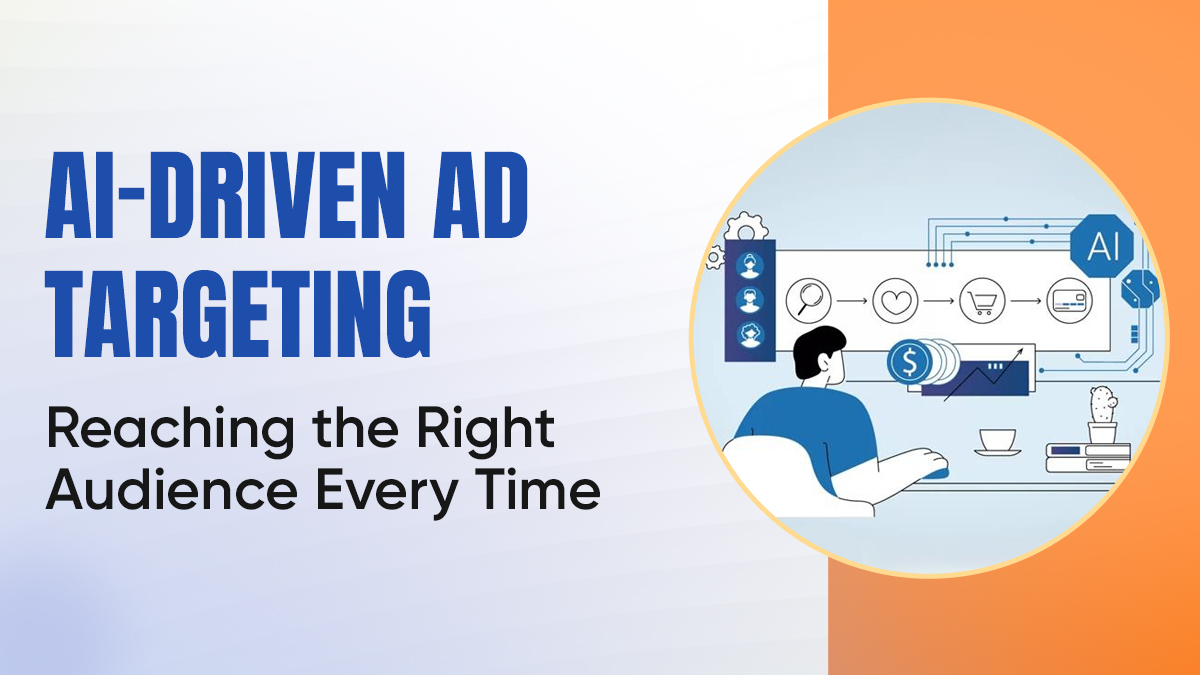
That’s where AI-driven ad targeting changes everything.
The Era of Guessing Is Over
Remember traditional advertising? Pick a demographic—”women aged 25-45″ or “small business owners”—and cross your fingers. It was like throwing darts in the dark and hoping one hit the board.
Big brands figured out years ago that guessing doesn’t scale. They stopped making assumptions and started gathering data. They tracked website visits, monitored user behavior, studied app interactions, and fed everything into machine learning systems that could predict what someone wanted before they even knew it themselves.
The best part? You don’t need a Fortune 500 budget anymore. These tools are available to every founder willing to use them.
How AI Actually Understands Your Audience?
Traditional analytics tell you what already happened. AI-powered systems tell you what’s about to happen next.
Think about Netflix. They don’t just track what you watch. They notice when you pause, what makes you click, when you abandon a show, even what time of day you binge. Their algorithms group you with thousands of others who share your patterns, then predict what you’ll love next.
Those eerily accurate recommendations? That’s behavioral intelligence at work.
Your advertising can work exactly the same way.
With AI, you’re not targeting demographics anymore. You’re targeting intentions, behaviors, and moments. You’re finding people who are already on a path that leads straight to your solution.
Marketing That Runs on Autopilot (The Smart Way)
Here’s where things get interesting. AI-powered ad systems don’t clock out at 5 PM. They’re working all day, every day, making split-second decisions while the founder focuses on building the actual business.
Think about all the variables that go into running ads. Which image gets more clicks right now? Who’s actually ready to buy at 2 PM on a Tuesday versus 8 PM on a Saturday? Should the budget shift to Instagram or stay on Google? What’s a good price to bid when competition heats up?
A woman running an organic skincare line dealt with this exact problem. She spent $2,000 every month on ads. Results were okay, but nothing special. Then she tried an AI system that tracked what real people actually did—not just demographics, but behavior.
Six weeks later, her sales doubled. Cost per customer? Down by 40%.
The AI figured out something she’d never have caught on her own. Her best customers bought on Tuesday and Wednesday nights, usually after reading wellness blogs. So the system automatically moved more budget to those specific times and websites.
It wasn’t magic. It was pattern recognition at scale.
Building Real Connections, Not Just Campaigns
The brands that win long-term don’t just attract customers—they create believers. And belief starts with feeling understood.
Seth Godin nailed it: “People do not buy goods and services. They buy relations, stories, and magic.”
When your ad reaches someone at exactly the right moment with exactly the right message, you’re not interrupting their day. You’re joining their journey. That’s when advertising stops feeling like noise and starts feeling like a recommendation from a friend who gets you.
AI recognizes the signals that show someone’s ready to listen. Did they read three articles about productivity tools? They might need your project management app. When someone abandons their shopping cart twice in a week, it sends a clear signal. They’re interested but hesitant. Maybe they need reassurance. Perhaps a limited-time offer would tip the scales. Or they might just need to see social proof from other satisfied customers.
This level of precision doesn’t just increase sales numbers. It builds genuine loyalty because customers remember the brands that seem to understand their needs at exactly the right moment.
The Hidden Value in Behavioural Data
Here’s what surprises most founders: they’re often sitting on a goldmine of valuable data without realizing it. Every click, scroll, video view, and form submission on a website tells a story about what potential customers actually want.
The real question becomes: is anyone paying attention to what the data is revealing?
Modern targeting tools analyze this behavior to create detailed segments. Not just “website visitors,” but “people who viewed pricing three times, watched the demo video, but didn’t sign up—probably concerned about cost.”
With that insight, you craft a specific campaign just for them. Highlight payment plans. Emphasize ROI. Feature a case study from a similar company.
The same applies if you have an app. Which features do engaged users love first? Where do people drop off? These patterns reveal exactly who your true believers are and how to find more just like them.
Getting Started Without Breaking the Bank
I know what you’re thinking: “This sounds expensive and complicated.”
It used to be. But AI tools have become accessible to everyone. You can start small and scale as you grow.
Here’s how to begin:
Start with one platform that has AI built in. Facebook and Google both offer this now. Pick one, feed it data about current customers, and let it learn.
Then watch what happens.
Check results closely for the first few weeks. Which messages connect? Which groups of people actually buy? The AI will adjust automatically, but human insight helps double down on what’s working.
Nobody gets it perfect on day one. That’s fine. The goal is getting a little better each time. Every campaign teaches the system something new. Every click and conversion makes the next guess more accurate.
Why Small Companies Actually Have an Edge?
Big corporations throw millions at data scientists and fancy analytics platforms. But here’s something they can’t buy: the closeness small business owners have with their customers.
When someone builds a business from scratch, they know their customers differently. They’ve talked to them directly. They’ve heard the real complaints, not the sanitized version from a focus group. They know what keeps people up at night because they lived those same problems.
Mix that genuine understanding with AI’s ability to process massive amounts of information, and something powerful happens. Small businesses get the reach of a major brand, but keep the personal touch that makes customers feel understood.
The companies that dominate over the next ten years won’t necessarily be the ones spending the most. They’ll be the ones getting their message in front of the right person at the right time. That’s not about budget—it’s about precision.
What Happens Next Is Up to You?
Every founder’s path is different, but one truth remains: winning brands make people feel seen.
AI-driven targeting isn’t about replacing your instincts or creativity. It’s about amplifying them. It’s about ensuring the message you worked so hard to craft actually reaches the people who need to hear it most.
Here’s your challenge: Stop guessing. Start knowing.
Take one campaign this week and let AI refine who sees it. Watch what happens. Learn from the data. Adjust and improve.
Your story deserves to reach the people it was meant for. The technology to make that happen isn’t some distant future—it’s here now, ready for you to use.
The real question isn’t whether AI can help you reach your audience.
The real question is: what will you build when you finally reach them?
