

Estimated reading time: 6 minutes
The beauty aisle has always been crowded. But somewhere between the sponsored posts and celebrity collaborations, something interesting happened: consumers stopped listening to the loudest voices and started trusting the quietest ones: their own.
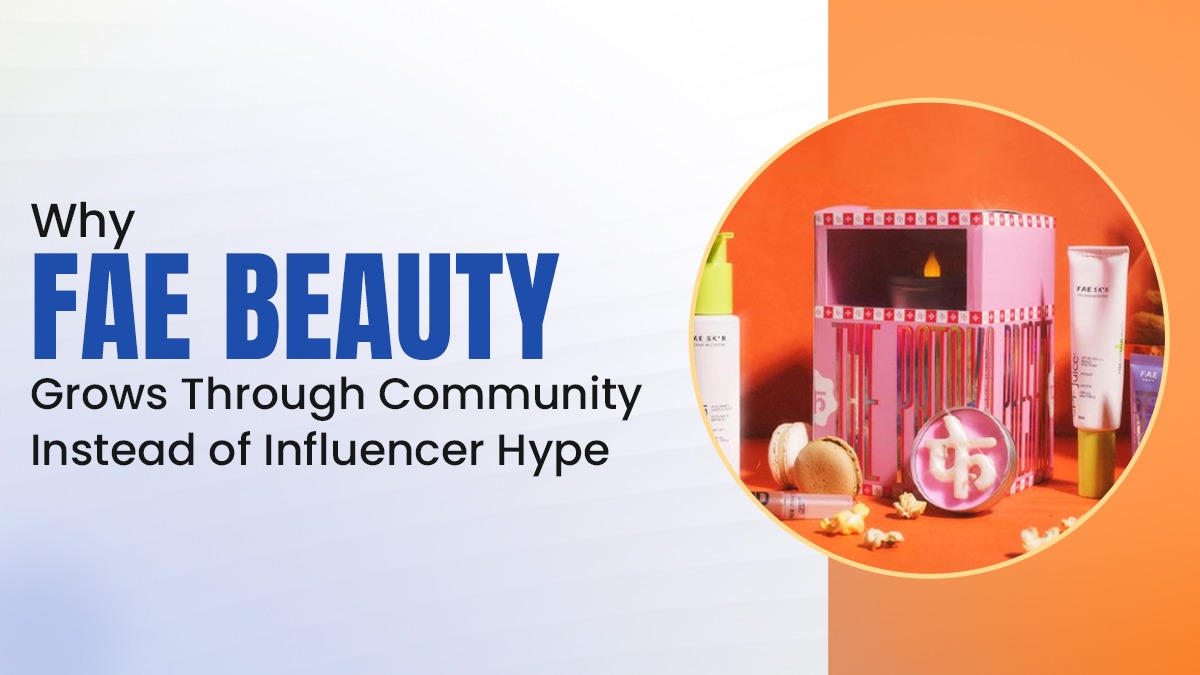
Enter FAE Beauty, a brand that’s rewriting the rulebook on how beauty products reach people. While legacy brands dump millions into influencer-led campaigns, FAE Beauty built something different. They built a conversation.
The Problem with Shouting Lo uder
Here’s what most beauty advertising gets wrong: it assumes that more reach equals more trust. Spray your product across enough Instagram feeds, get enough famous faces to hold your serum, and eventually, someone will buy.
It works. Sort of. You get customer acquisition. You get a spike. But what you don’t get is what matters most in a d2c model: high retention.
Because here’s the truth: people don’t come back to brands they were sold to. They come back to brands they helped build.
FAE Beauty understood this from day one. Instead of chasing viral moments, they created something rarer in the digital business landscape: actual dialogue. Not the “drop a comment below” kind that never gets read. Real, meaningful direct communication channels where brands and consumers speak the same language.
Co-Creation Isn’t a Buzzword: It’s a Business Model
Most founders treat product innovation like a secret recipe. Mix the ingredients behind closed doors, package it beautifully, then hope people love it.
FAE Beauty flipped that entirely. Their beauty approach starts with listening. They invite their consumer base into the lab (figuratively and sometimes literally). What shade is missing from your foundation routine? What texture makes your skin feel alive? What ingredient do you wish someone would finally try?
This isn’t focus group data filtered through layers of corporate interpretation. This is direct feedback shaping what goes on shelves.
And here’s where it gets interesting for founders watching from the sidelines: co-creation doesn’t just build better products. It builds believers. When someone sees their suggestion become reality, they don’t just buy that product: they tell everyone they know. They become your digital content strategy without you needing to brief them.
“A brand is no longer what we tell the consumer it is: it is what consumers tell each other it is.” – Scott Cook, founder of Intuit
This shift from broadcasting to co-creating is the quiet revolution happening in real world marketing. It’s not as flashy as an influencer unboxing video. But it’s infinitely more powerful.
Direct-to-Consumer Means Direct-to-Conversations
The d2c model promised something revolutionary: cut out the middleman, own the customer experience, build direct relationships.
Most brands got two out of three. They cut out retailers and controlled their product presentation. But the relationship part? That got outsourced to influencers who had relationships with audiences, not with the brand’s actual values.
FAE Beauty took direct to consumer models seriously. Not just in distribution, but in communication. They built platforms where real people share real results. Not “swipe up for 10% off” results. Actual transformations, questions, concerns, disappointments even.
This is where digital marketing strategy gets human. Because when you give people space to be honest (including honestly critical) you learn what traditional beauty advertising never teaches you: what your product actually does versus what you think it does.
That gap? That’s where rapid growth lives. Not in the fantasy version of your brand, but in the real one that solves real problems for real people.
The Economics of Trust
Let’s talk numbers for a moment, because storytelling is beautiful but founders need to eat.
Influencer-led campaigns cost anywhere from thousands to millions depending on who’s holding your product. And you’re renting their audience, not building your own. The moment the campaign ends, so does the momentum.
Community-driven growth strategies work differently. Every conversation compounds. Every customer who feels heard becomes a voice. Your growth strategies shift from paid acquisition to earned attention.
FAE Beauty’s consumer base doesn’t just buy more: they stay longer. High retention isn’t a metric they chase; it’s what naturally happens when people feel ownership over a brand’s evolution. They’re not customers waiting for the next discount code. They’re stakeholders in something they helped create.
This is the advantage smaller brands have over beauty giants. You can’t fake intimacy at scale. You can’t automate genuine care. But you can build it from the ground up if you start with the right foundation.
What Founders Can Steal From This Playbook?
You don’t need to be in beauty to learn from FAE Beauty’s approach. The principles translate across every digital business:
Start conversations before campaigns. Before you write ad copy, ask people what they wish existed. Your customer experience begins before the first purchase: it begins when someone feels seen.
Build feedback loops, not funnels. Every customer interaction should flow both ways. What are they telling you through their behavior, questions, complaints, excitement? Direct feedback isn’t a post-launch afterthought; it’s your pre-launch blueprint.
Make your customers the story. The most powerful digital content strategy isn’t what you create about your product. It’s what your community creates because they care. Give them reasons and tools to share, then get out of their way.
Measure retention as hard as acquisition. Customer acquisition is expensive. Keeping people is where profit lives. If your growth strategies only focus on new faces, you’re carrying water in a bucket with holes.
The Long Game of Belonging
Here’s what keeps founders up at night: the fear that without the big influencer, the viral moment, the massive ad spend, they’ll get lost in the noise.
FAE Beauty proves the opposite. In a world drowning in beauty advertising, the brand that listens stands out more than the brand that shouts.
This isn’t slower growth: it’s sustainable growth. It’s the difference between a sugar rush and steady nutrition. Both give you energy, but only one keeps you alive long-term.
The future of brands and consumers isn’t transactional. It’s relational. And relationships aren’t built through sponsored posts: they’re built through showing up, listening hard, and creating space for people to matter.
Your Next Move
If you’re building something right now (whether it’s beauty products or software or anything people need) ask yourself this: Are you building an audience or a community? Are you broadcasting or conversing? Are you selling to people or creating with them?
The answer doesn’t just shape your digital marketing strategy. It shapes whether people will care about what you’re building a year from now.
FAE Beauty chose the harder path. They traded viral moments for lasting relationships. They swapped influencer reach for community depth. And in doing so, they built something rare: a brand people actually love, not just follow.
You can do the same. Start small. Start genuine. Start by listening to the one person who already believes in what you’re creating. Then build from there.
Because in the end, the brands that win aren’t the ones everyone hears about. They’re the ones people can’t stop talking about. And there’s a world of difference between the two.
