

Estimated reading time: 8 minutes
Just imagine this once, setting sail with a single luxury shaving kit against an armada of century-old FMCG warships, giants like Gillette and HUL that control every retail shelf and every television spot. That’s the David vs. Goliath story of Bombay Shaving Company (BSC). It wasn’t just about selling a better razor; it was about selling a revolution in routine. For a startup, audacity is a non-negotiable asset.
By 2015, the men’s grooming industry in India was stagnant, dominated by plastic utility and speed. Consumers were transactional; they bought what was cheap and fast. The margins were good for the giants, but the experience was deeply unsatisfying for the consumer. Most people viewed shaving as a chore they had to endure.
But Shantanu Deshpande and his co-founders didn’t.
From Utility to Ritual: The Birth of a New Category
The first thing BSC did wasn’t to compete on the giant’s terms. They didn’t chase the cheapest disposable razor filled with plastic. Instead, they asked themselves: What makes shaving feel like a valued moment?
They came up with a simple plan, a strong strategic blueprint built on three core beliefs:
- Experience over Efficacy: The act of shaving must be transformed from a necessity into a self-care ritual.
- Premium is Achievable: Utilise high-quality ingredients and materials that the Indian consumer can discern.
- Data is the New Shelf Space: Bypass traditional retail initially by focusing entirely on the Direct-to-Consumer (D2C) channel.
They sold off the idea of a quick, five-second shave and decided to focus only on a 4-step, 20-minute grooming ritual. One brand. One elevated purpose.
He Unboxed, Engraved, and Understood the Affluent Consumer
Shantanu and the team didn’t sit in an office optimising click-through rates alone. They obsessed over the unboxing experience. Their initial product was a sophisticated, multi-part shaving kit—complete with premium essential oils, a badger brush, and a customizable metal razor with free name engraving.
And that changed everything.
This laser focus on a premium, gift-worthy experience targeted the urban, affluent millennial audience, a segment the legacy brands treated as an afterthought in their mass-market strategy. You can say that the packaging unboxing became social media content; customers are now trusted to spread their own word-of-mouth marketing. BSC basically used this technique for direct feedback to rapidly innovate, or they have launched complementary products like beard oils and skincare based on what their early, valuable customers were asking for.
Founders’ reminder note: The first product you launch must not just for just to solve a problem, it must pleasure. Focus on the Lifetime Value (LTV) of a premium customer, not just the Customer Acquisition Cost (CAC) of a mass-market one.
Not Just Marketing. Community. Content. Authenticity.
While other brands paid cricketers and Bollywood stars for generic endorsements, BSC focused on content that educated and empowered. Their content didn’t show charts; they showed tutorials, lifestyle advice, and the journey of the modern Indian man.
The brand wasn’t just for cleaning up a beard. It became a symbol of intentionality and personal style.
Turning Users Into a Tribe: The Barbershop Vibe
Bombay Shaving Company finally understood something more powerful: that people don’t just want a product, they want to feel that part of their product by which they feel forward-thinking movement.
So, they created podcast content like “The Barbershop With Shantanu”. This platform socializes the founder and the company’s main mission, which has the sole purpose of connecting with young, creative Indians who see grooming as a component of their overall success. They built a brand narrative that was very inspiring yet relatable. These ultimate community-building efforts effortlessly generated organic friction and customer loyalty towards the brand, which is far superior to any expensive TV ad spend.
Founders’ Takeaway: Your founder’s story is your most powerful content. Use media (podcasts, blogs, videos) to articulate your Why (your mission), not just your What (your product).
Vibe That Goes Beyond E-commerce: The Omni-Channel Declaration
As BSC grew and expanded its product line, moving from just men’s shaving to skincare and eventually Bombae for female hair removal, it hit the D2C ceiling. The true scale in India still lies in offline retail.
That’s when the bold strategic move happened: the Rebrand.
The sleek, digital-first logo was replaced with the Bigger, Bolder, Sharper identity. This wasn’t vanity; it was strategic necessity. The new, louder logo was designed specifically to pop on a physical retail shelf next to the monochromatic Goliaths. Their showrooms weren’t just warehouses—they were brand experiences. This shift reflected their transition from a niche D2C disrupter to a serious mass-premium omnichannel challenger.
Founders’ Takeaway: Be prepared to shed the skin of your early identity when your growth demands it. Your visual identity must be aligned with your distribution strategy—a logo that works online often fails on a supermarket shelf.
Product Innovation with Scalability DNA
BSC didn’t try to make only expensive luxury products forever. They stuck to what felt right—a premium experience at a mass-premium price point.
Key moves:
- Expansion beyond the kit: Diversified into beard care, body wash, and perfumes.
- Female Grooming: Launched Bombae, quickly carving out a share in the massive women’s hair removal market.
- Affordable Innovation: Introduced product lines like the Sensi Smart 3 Razor to directly challenge the mid-tier segments of the legacy brands, balancing quality with affordability for a wider audience.
They kept the initial ritualistic charm but made sure the product portfolio was scalable and accessible.
A Strong Omni-Channel Expansion Strategy
After proving the D2C model worked, BSC aggressively moved into offline retail. They leveraged their strategic investors (like Colgate-Palmolive and Reckitt) for distribution expertise.
They moved from their own website to e-commerce marketplaces (Amazon, Flipkart), then to Modern Trade (D-Mart, Reliance Retail), and finally into General Trade (local kirana stores). This hybrid approach ensures they are present everywhere the customer shops—a must for an FMCG brand in India aiming for scale.
Founders’ Takeaway: Omni-channel isn’t just a buzzword; it’s the operational bridge between a successful niche brand and a market challenger. Your logistics must be as sharp as your brand messaging.
Using Data Without Losing Soul
You might think fighting the giants requires matching their ad budgets. Not BSC.
- Real-Time Intent: They used D2C data to serve hyper-personalised messages (e.g., “Free Shipping Ends Today!”) to high-intent users, turning browsers into buyers efficiently.
- Subscription Model: They leveraged their data to drive retention through subscription models, ensuring a predictable, high-LTV revenue stream.
- Razorpreneur: They launched the Razorpreneur program—a street-level selling challenge that blended content, community, and sales, using their intellectual property (The Barbershop) to drive real-world adoption and virality.
They figured out how to use digital data to strengthen human connections and sales efficiency.
Every Shave Has Nicks
BSC’s journey wasn’t seamless:
- High CAC: There are so many D2C brands; those used to maintain a sustainable Customer accretion cost while climbing rapidly in an ambitious category were a constant drain.
- Supply Chain Pressure: Shifting from small-batch premium to mass-premium seamless commerce, which requires immense investment and perfecting their supply chain.
- Brand Dilution: Its sudden expansion effortlessly from a calling luxury shaving brand to a full personal care brand risks weakening the original, potent brand perspective.
But every problem taught them agility. Their willingness to rebrand and diversify showed they valued scale and ambition over holding rigidly to their early, niche identity.
What You Can Learn from BSC’s Story?
No matter what you’re building, whether it’s a physical product or a service, the lessons are razor-sharp:
- Transform the Ordinary: Don’t just sell a product; sell a ritual.
- Own Your Data: The D2C channel is your strategic intelligence centre. Use it to out-innovate larger, slower rivals.
- Brand = Mission: Humanize your company through content that sells your Why.
- Don’t Fear the Pivot: Your early success formula might be your later growth bottleneck. Be bold enough to strategically rebrand and expand your channel strategy.
Feelings over features. People forget specs. They remember how you made them feel when they unboxed your product.
So What’s Next?
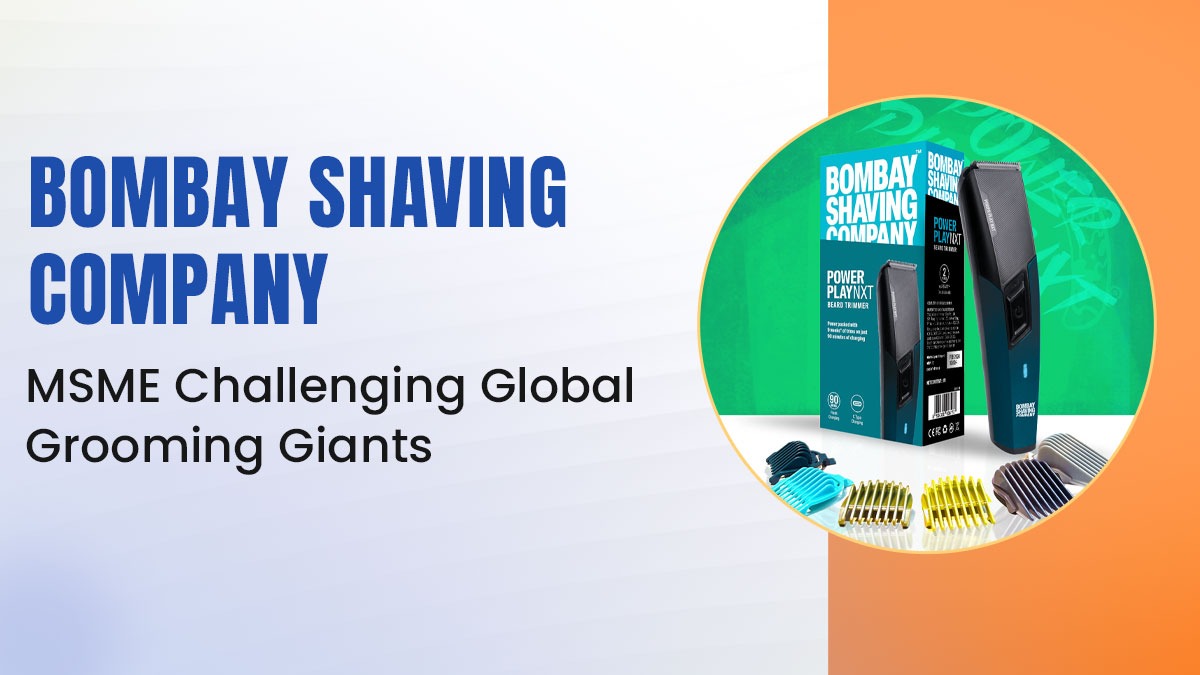
BSC is targeting Gen-Z with products like their upgraded trimmers and aiming for a Rs 500 Cr revenue and an IPO run in the coming years. They are focused on Gen-Z first, embracing a fun, edgy vibe that speaks to the “early shaver.”
But the promise remains the same:
Quality. Experience. Audacity.
“We don’t just sell hair removal; we enable confidence and self-care for the modern Indian.” – Inspired by the BSC ethos.
A small Indian startup that challenged a global monopoly is now a full-spectrum personal care force. Because it focused on what truly matters—the user, the experience, and the audacity to redefine the rules of the game. Bombay Shaving Company isn’t just a brand. It’s the journey of a sharp idea conquering a blunt status quo.
And that unmistakable edge that says: This is not a giant. This is a challenger.
